Andalusia’s Moorish legacy shines in Seville’s Alcázar, Córdoba’s Great Mosque, and Granada’s Alhambra, each blending intricate architecture with vibrant courtyards and water gardens. Cambodia’s Angkor and Siem Reap offer living heritage through ancient stone mandalas, hydraulic conservation, and daily Apsara dance performances. Kyoto’s 400 shrines, 1,600 temples, and Gion geisha district provide timeless spiritual and artistic encounters. Bali’s 20,000 temples, Ubud wellness retreats, and hands‑on craft villages immerse visitors in ritual and creativity. Kraków’s UNESCO‑listed Old Town and Marrakech’s bustling medina, gardens, and souks showcase living traditions and culinary delights. Continued exploration reveals detailed itineraries, budgeting tips, and deeper insights.
Key Takeaways
- Prioritize UNESCO‑listed historic centers like Andalusia’s Alhambra, Kyoto’s temples, and Kraków’s Old Town for preserved, authentic cultural landscapes.
- Seek destinations where living traditions thrive, such as Balinese temple rituals, Angkor’s daily worship, and Siem Reap’s Apsara dance performances.
- Choose places offering hands‑on workshops and craft experiences—Mas wood‑carving in Bali, pierogi making in Kraków, or traditional painting in Ubud.
- Favor locations with integrated visitor management and conservation, ensuring sustainable access to sites like Angkor’s hydraulic system and Marrakech’s medina.
- Combine cultural immersion with practical travel planning: use timed‑entry tickets, public transport, and local guides to balance depth and comfort.
Andalusia’s Moorish Roots – Seville, Córdoba & Granada (Cultural Travel)
Rooted in eight centuries of Islamic dominion, Andalusia’s Moorish heritage unfolds across Seville, Córdoba and Granada, where architectural remnants reveal a sophisticated synthesis of religious, artistic and scientific achievements.
In Seville, the Alcázar’s Mudejar craftsmanship blends Islamic horseshoe arches, geometric tilework and Renaissance pavilions, while the Giralda’s original minaret brickwork and ramped access persist. Almoravid influence is evident in the early ribbed vaults that predate later Nasrid refinements. Water features were used to cool interiors and create tranquil courtyards. Advanced irrigation systems supplied water to the palace gardens.
Córdoba’s Great Mosque showcases double‑tiered polychrome arches, a forest of columns, and a mihrab crowned with Byzantine mosaics, later merged into a cathedral nave.
Granada’s Alhambra epitomizes Nasrid palaces, featuring muqarnas ceilings, reflecting pools and the Court of the Lions, surrounded by Generalife gardens that embody the Moorish paradise ideal.
Together these sites embody a living, inclusive legacy that invites visitors to share in a collective cultural identity.
Cambodia’s Living Heritage – Angkor, Siem Reap & Arts (Cultural Travel)
Beyond the stone‑carved horizons of Angkor, Siem Reap stands as a living museum where centuries‑old temples, vibrant artistic traditions, and active Buddhist practices converge, illustrating Cambodia’s enduring cultural importance.
The UNESCO‑listed Angkor complex, a 400‑acre mandala of five central towers and 1,800 carved apsara figures, embodies the Khmer Empire’s architectural zenith and continues to host daily worship. Recent Angkor conservation initiatives safeguard stone reliefs while integrating modern visitor management, ensuring the site’s integrity for future generations. Extensive hydraulic systems underpin the complex’s resilience. Later‑period Buddhist additions illustrate the site’s layered religious history.
In the city’s cultural quarter, Apsara dance performances revive mythic narratives, linking contemporary audiences to ancient epics. Together, the temple precincts, ritual life, and artistic expression create a shared sense of identity, inviting travelers to participate in a living heritage that balances reverence with vibrant community engagement. The complex’s original dedication to Hindu deities such as Shiva underscores its historic role in religious conversion and cultural transformation.
Discover Kyoto’s Shrines, Geisha & Timeless Charm (Cultural Travel)
While Angkor’s stone silhouettes echo ancient empire, Kyoto unfolds a tapestry of sacred spaces, refined performance, and seasonal elegance that defines Japan’s cultural heart.
The city hosts over 400 Shinto shrines, from the pre‑Heian Kamigamo and Shimogamo to the vermilion‑gate‑lined Fushimi Inari‑taisha, each preserving shrine rituals that bind community and ancestor. Buddhist heritage thrives in 1,600 temples, especially Kinkaku‑ji’s golden façade, Ginkaku‑ji’s silver serenity, and Kiyomizu‑dera’s panoramic vistas.
Gion’s historic streets reveal geisha and maiko, whose presence reinforces a living tradition of hospitality and artistic mastery. Visitors often complement these experiences with tea ceremonies, where meticulous preparation mirrors the city’s disciplined grace, fostering a profound sense of belonging amid Kyoto’s timeless charm. The Heian‑period shrines such as Toyokuni Shrine illustrate the city’s layered religious history. The autumn foliage at Tenryu‑ji creates a vivid backdrop for photography. Temple fatigue can be avoided by mixing visits with museums, villas, and gardens.
Bali’s Temples, Workshops & Wellness (Cultural Travel)
Amid Bali’s volcanic silhouettes, the island’s spiritual landscape unfolds through a network of over 20,000 temples, each a living tribute to Hindu‑Buddhist traditions that shape daily life. Pura Besakih dominates Mount Agung, while Tanah Lot and Uluwatu command sea and cliff vistas, offering Balinese rituals that anchor community identity.
Ubud’s rice‑field retreats blend yoga, meditation at Pura Tirta Empul, and sound healing with gamelan, fostering inner belonging. Craft preservation thrives in villages: Mas wood‑carving, Celuk silver‑smithing, Batubulan stone sculpture, Sukawati wicker, and Tenganan Geringsing weaving workshops teach symbolic motifs to visitors for $10‑$40. These hands‑on experiences, from mask painting to bronze casting, reinforce cultural continuity and deepen the traveler’s sense of connection. The workshops at Sanggraloka Ubud offer traditional Balinese painting sessions led by skilled artisans.
Kraków’s Old Town & Festival Food (Cultural Travel)
From the serene rituals of Bali’s temples to the bustling heart of Central Europe, Kraków’s Old Town offers a living museum of medieval architecture and vibrant culinary traditions. The 40,000‑square‑foot Rynek Główny anchors a UNESCO‑listed historic centre where Gothic spires, Renaissance Cloth Hall, and the hourly Hejnał mariacki trumpet signal a continuity of place.
Visitors find belonging in the rhythm of street eats, from sizzling zapiekanka to seasonal pierogi served beside St. Mary’s Basilica. Interactive pierogi workshops invite travelers to master dough‑folding techniques while learning regional stories.
Museums, galleries, and the Town Hall Tower provide scholarly depth, and the annual festivals transform the square into a communal feast, reinforcing shared cultural identity.
Marrakech’s Medina, Gardens & Souks (Cultural Travel)
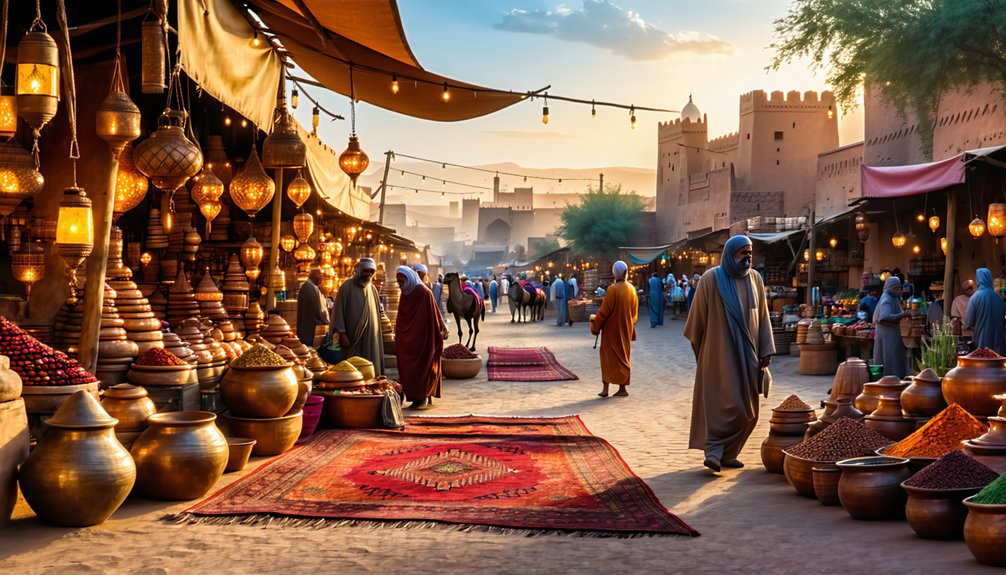
How does a city become a living tapestry of centuries? Marrakech’s medina, a UNESCO World Heritage site, weaves 700 hectares of historic lanes, souks, and artisans’ workshops into a cohesive cultural fabric.
Medina craftsmanship thrives in tightly clustered workshops where leather, metal, and textile traditions persist, reflecting a continuity that began under the Almoravids in 1070‑72.
Adjacent, the walled Agdal and Menara gardens demonstrate sophisticated garden irrigation, channeling water from the Atlas foothills to sustain olive groves, palm groves, and ornamental fountains.
Iconic landmarks such as Koutoubia Mosque, Bahia Palace, and the bustling Jemaa el‑Fna square amplify the sense of belonging, inviting travelers to experience an authentic, living heritage that remains vibrant and accessible.
Choosing the Best Cultural Destination for Your Trip
When selecting a cultural destination, travelers benefit from weighing local satisfaction, expert endorsements, affordability, and UNESCO recognition. High local ratings—Paris (96 %), Mexico City (85 %), Chicago (98 %)—signal vibrant cultural life, while expert panels elevate cities with heritage depth such as Edinburgh and Beijing.
Affordability scores, exemplified by Chicago’s 63 % and Lisbon’s 66 %, broaden access to authentic experiences. UNESCO sites, from Florence’s Renaissance core to Krakow’s Old Town, confirm preserved heritage. Prospective visitors should also consider community festivals that showcase living traditions and adhere to museum etiquette to respect collections and staff.
Balancing these metrics guarantees a destination feels both inclusive and enriching, fostering a sense of belonging within the local cultural tapestry.
Sample Itineraries & Budget Tips for Cultural Travel
Having weighed local satisfaction, expert endorsements, affordability, and UNESCO status, travelers now turn to concrete planning. Sample itineraries concentrate on two or three regions, grouping attractions by proximity to reduce transit and preserve energy.
Days follow a rhythm of museum pacing in the morning, leisurely café afternoons, and evening cultural events, while community homestays provide authentic meals and conversation. Timed‑entry tickets to major museums such as the Uffizi or Van Gogh Museum secure early or late slots, and specialty exhibitions add thematic depth.
Local staff, drivers, and guides reveal hidden concerts and budget eateries. Public transport, walking tours, and affordable workshops via GetYourGuide keep costs low, while volunteer opportunities and neighborhood celebrations deepen belonging. This structured yet flexible approach guarantees immersive, cost‑effective cultural travel.
References
- https://wander-lush.org/cultural-trips-tourism-destinations/
- https://www.tripadvisor.com/TravelersChoice-Destinations-cCulture-g1
- https://travellingdane.org/2025/01/12/travel-2025-2/
- https://www.audleytravel.com/us/inspiration/cultural-vacations/history-and-culture-our-top-picks
- https://www.machupicchu.org/moorish-architecture-trail-andalusias-islamic-heritage.htm
- https://vamospanish.com/discover/the-influence-of-moorish-architecture-in-andalusian-cities/
- https://thecultureclique.com/the-moorish-influence-in-andalucia/
- https://en.wikipedia.org/wiki/Moorish_architecture
- https://www.audleytravel.com/us/spain/travel-guides/introducing-andalusia-and-moorish-spain
- https://www.archiol.com/post/sunrise-from-the-west-the-origins-influences-and-legacy-of-moorish-architecture